About Us

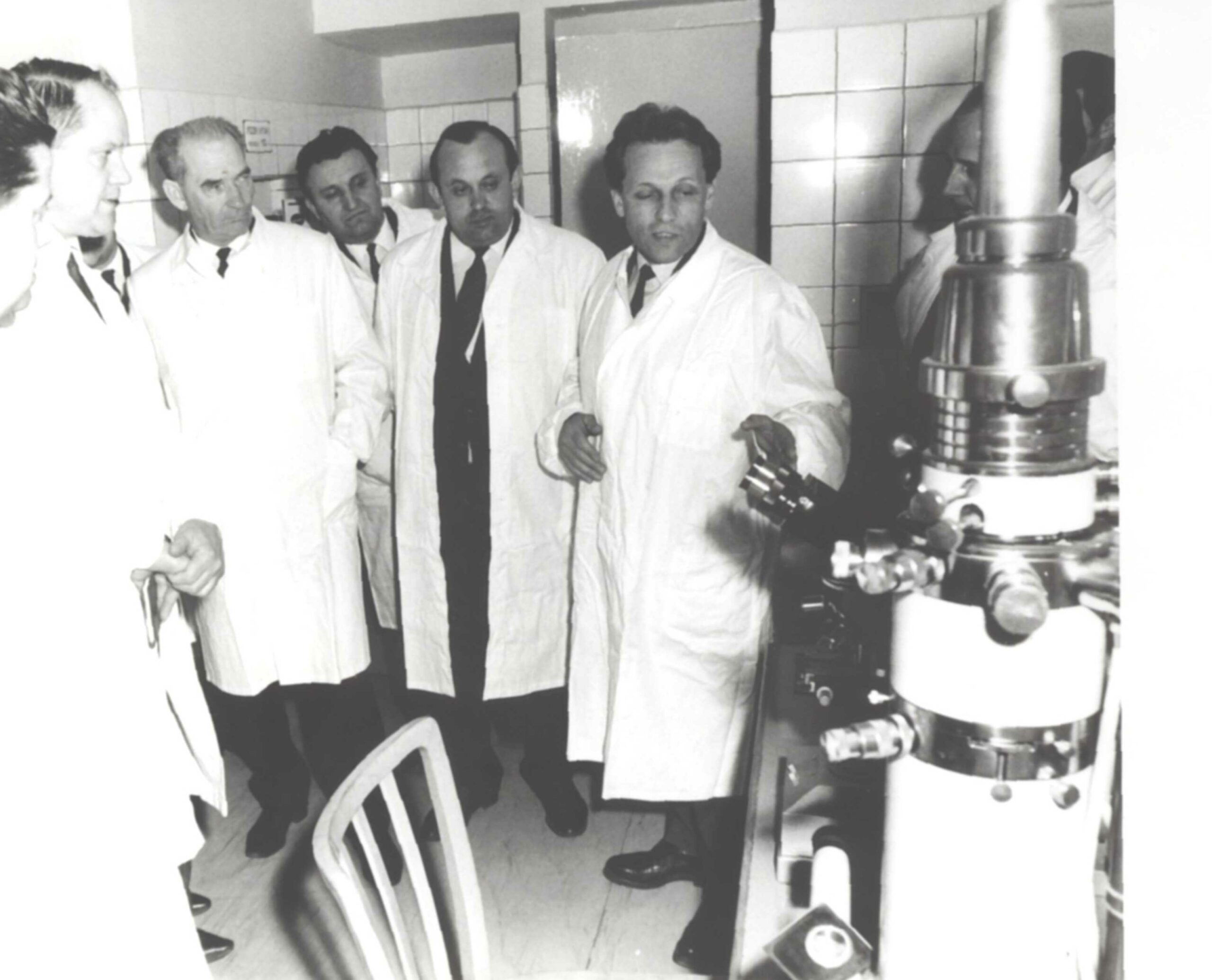
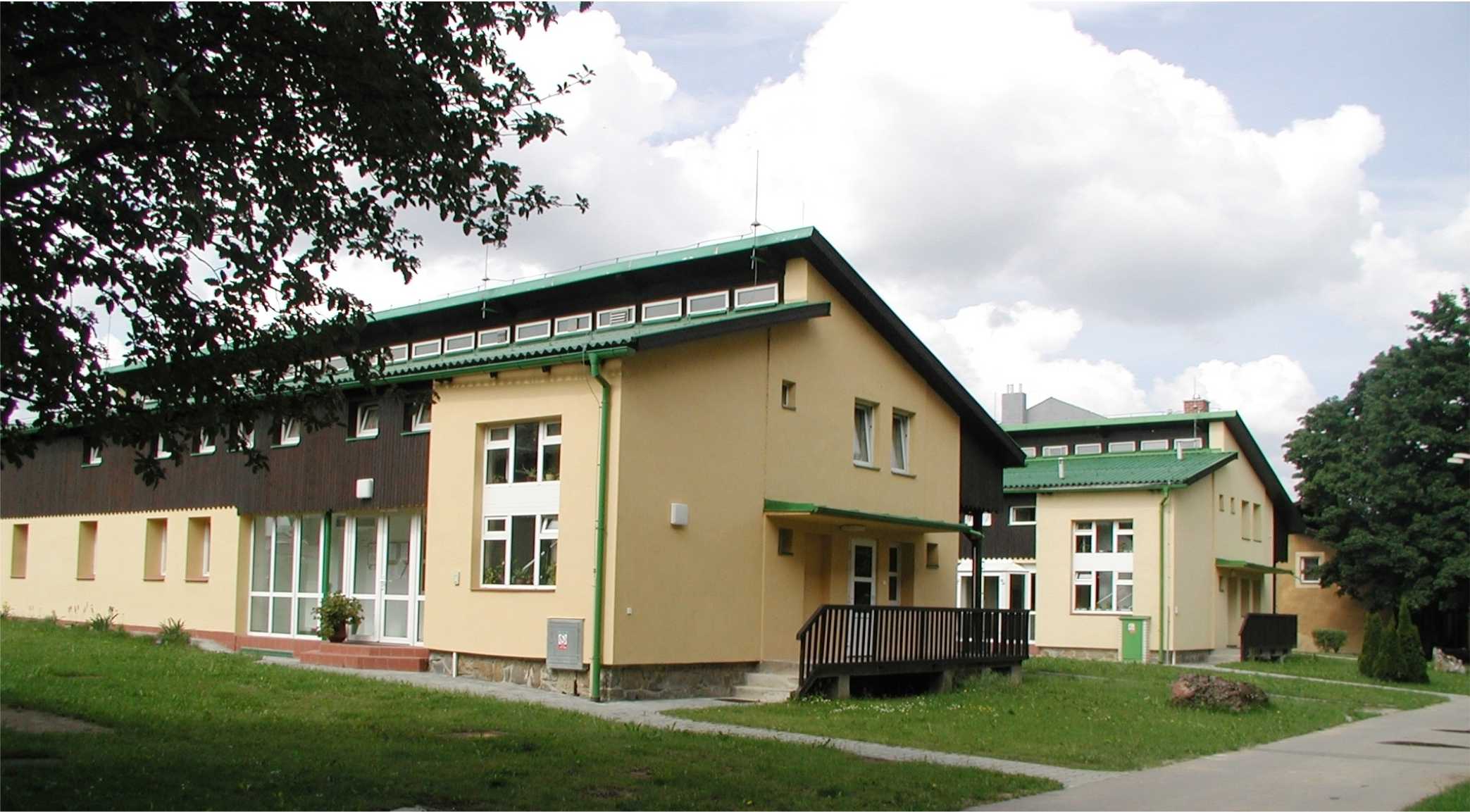
The Veterinary Research Institute in Brno (VRI) was founded on 10 September 1955 by the decree of the Minister of Agriculture as an institution of the Czechoslovak Academy of Agricultural Sciences. It was a new institution specialized in the veterinary medicine research. Its activity was focused on performing exact experiments with the aim to solve health problems in farm animals, protect people from zoonoses and to guarantee safety of foodstuffs and raw materials of animal origin.

At present, the VRI is a funded institution and directly controlled by the Ministry of Agriculture of the Czech Republic. By the end of 2004, VRI had 230 employees. The Institute cooperates with numerous Czech and international research institutions and state executive organs.

The VRI is the only specialized research institute in the Czech Republic aimed at the investigation in the area of veterinary medicine including practical application of the research. Moreover, the VRI research objectives comprise the area of broad preclinical disciplines of veterinary science including human medicine, ecology and other specializations. These disciplines form a complex that brings novel information in the area of infectious and non-infectious diseases, hygiene and food safety and ecotoxicology. The information obtained is used to improve the quality of preventive and prophylactic systems to control diseases in farm animals in the existing herds by both publication of the results and popularization among professional public and by active participation in solving current problems directly in the field. Most of research outcomes are published in renowned scientific journals with impact factors.

From the aspect of public health, of paramount importance is the research focused on diseases transmissible to humans such as salmonellosis and mycobacterial infections including paratuberculosis. Traditional research areas are also aetiology, pathogenesis, diagnosis and epidemiology of infectious diseases that cause consequential economic losses not only in cattle and pig herds, but also in fish. These are primarily viral and bacterial infections of intestinal and respiratory tract. The study of immunological aspects of infectious diseases is a very important research area. It applies to participation of the immune system in pathogenesis of diseases and possibilities of specific immunoprophylaxis and development of innovative vaccines including development of novel carriers and immuno-modulating preparations. The studies of ontogenesis of farm animal and domestic animal immune systems, the immune system diseases in dogs and cats and participation of immune system cells in mammary gland inflammations are also of great importance.

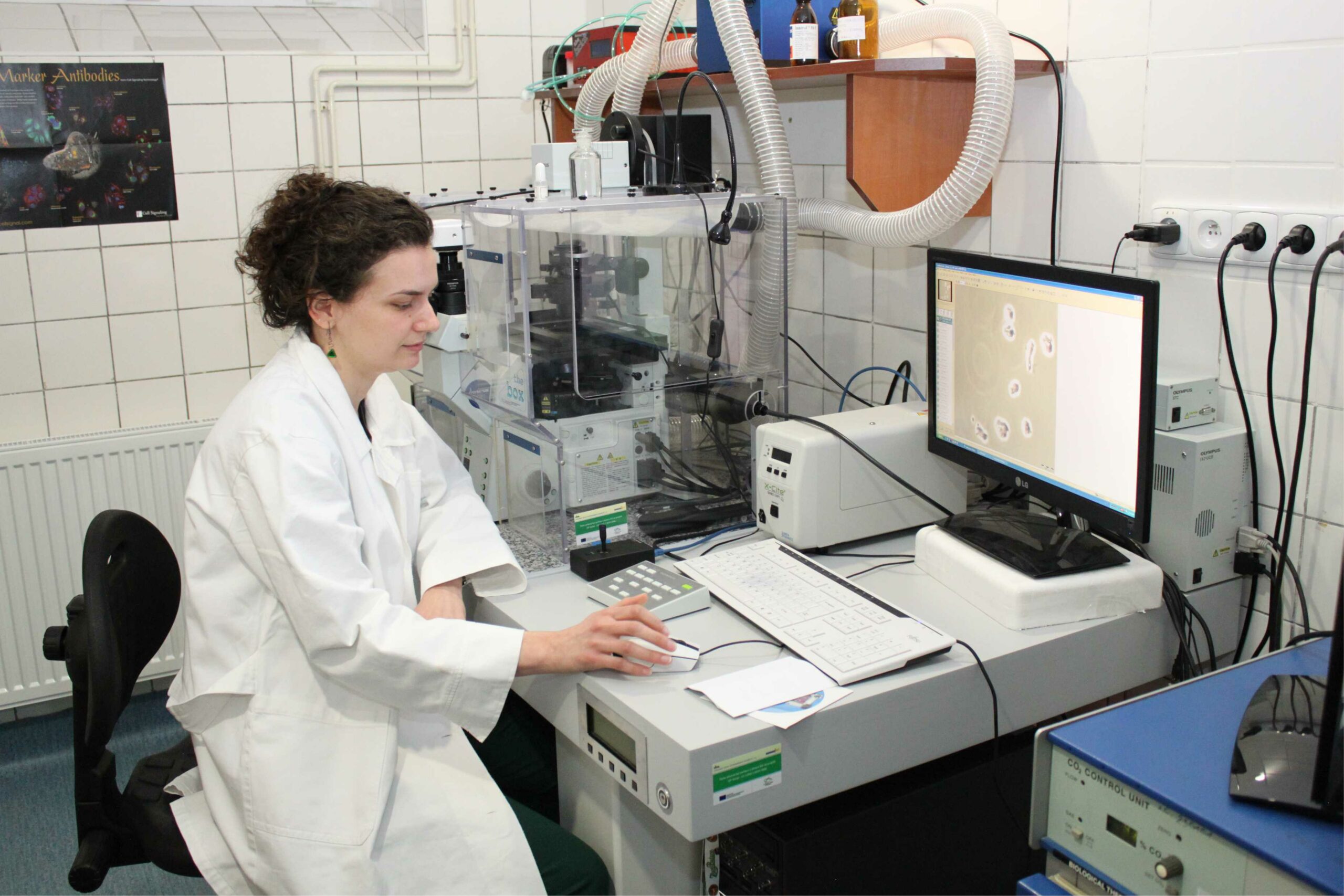
The VRI is the only institution in the Czech Republic that performs physical mapping of farm animal genes of and thus contributes to the whole world effort to saturate animal gene maps. By means of the top laser microdissection technique DNA probes are prepared. The developed probes are used for the study of farm animal chromosome aberrations. In the department of genetics and reproduction, the researchers deal with the development of methods for evaluation of farm animal male ejaculate qualities and investigation of infertility.

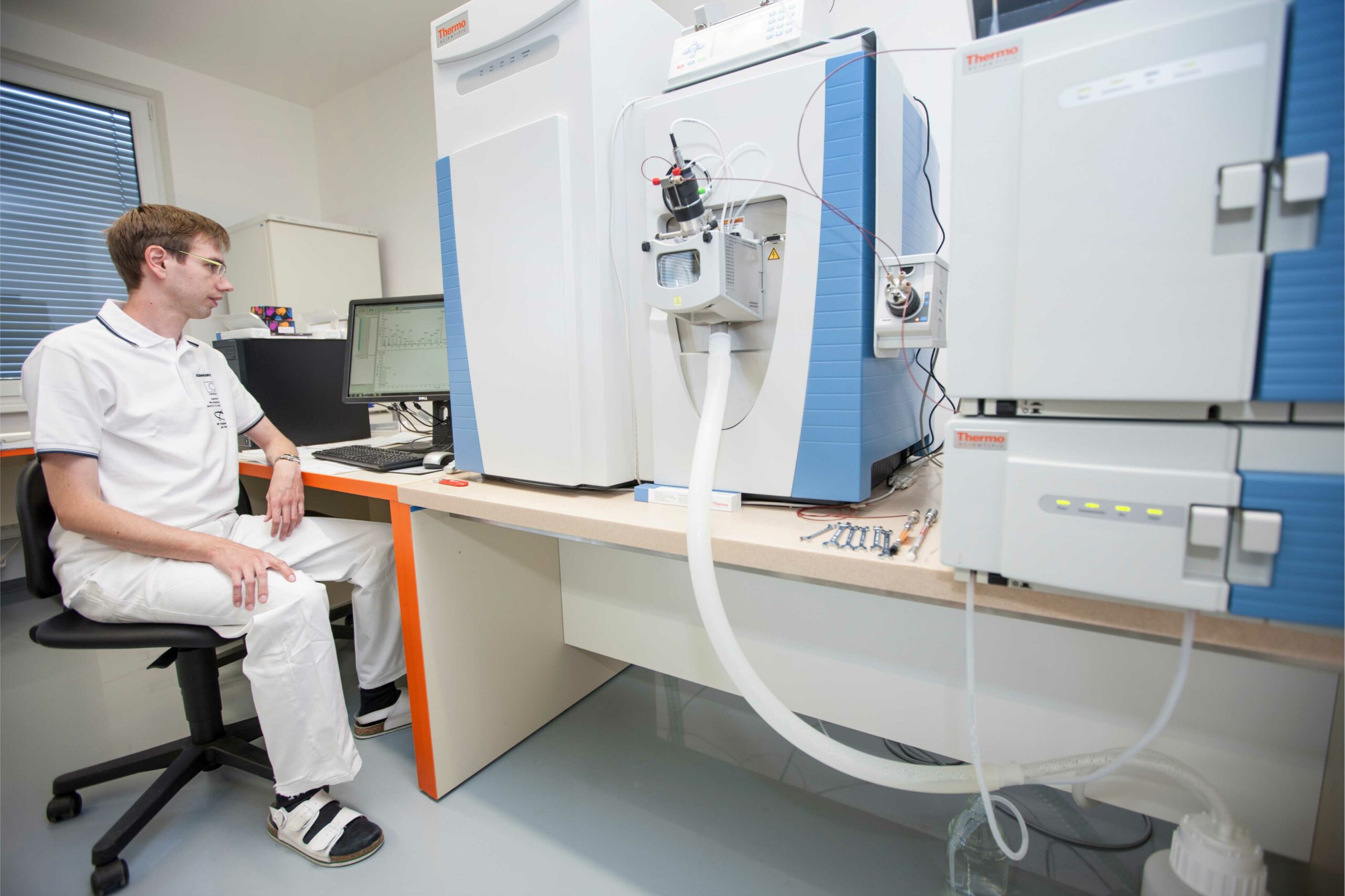
The Institute obtained momentous results in the study of life environment effect on the health of animals and humans including development of novel methods in this sphere. The study of toxicological characterization of hazardous contaminants including specific toxicity mechanisms in the in vitro models and the use of selected cell models for the assessment of total toxicity of sample extracts – such as screening of dioxin type substances, endocrine disruptors and promoters of carcinogenesis are most important. Immunoenzymatic methods and biosensors are used for the development of novel screening methods for rapid detection of trace residues in the life environment, feeds and foodstuffs. Novel information was obtained in the sphere of food safety concerning possibilities of animal protein replacement in feeds and their effect on animal health. Further studies are aimed at microbiological contaminants in feeds and development of antibiotic resistance of microorganisms. Detection methods of food adulteration are developed and introduced.

In most specializations, the Institute reached reputations acknowledged within the Czech Republic and in many of them all over the world. Research teams succeeded in obtaining and solving a variety of projects including international projects (projects of 5th and 6th framework programme etc.). Internal collaborations are derived not only from the study stays and visits of the researchers from the Institute abroad and membership of the scientists in international scientific committees, but also from long-term training and study visits of scientists from the U.S.A., United Kingdom, the Netherlands, Sweden, Germany, Spain, Denmark, Slovakia, Slovenia, Japan, China, Columbia, Peru, Uruguay, Australia, Mexico, Russia and other countries in the Institute.

The tendency of the Institute’s researchers is to preferentially use molecular biology methods that are essential in virology, bacteriology and genetics. They are also used by the research teams dealing with food safety, ecotoxicology, and reproductive dysfunctions. Current biotechnological principles such as preparation of monoclonal antibodies and biosensors, embryo micromanipulation, development of novel type carriers with immunostimulating effects are fundamental for the production of vaccines and cytostatic agents.

It is very important that the attitude to performing biological experiments has changed. On one hand, exact experiments under defined conditions are preferred (the year 2002, the reconstructed facility for experimental animals was awarded accreditation in for next 5 years) to the former extensive studies in the field. On the other hand, a number of procedures led to the reduction of numbers of experimental animals and development of adequate in vitro tests and methods.

The activities of the Department of Informatics support the work of scientists not only by providing access to inter- and intranet, but also by offering specialized bibliographical search, statistical evaluation of the obtained results, specific software production, translations, reprography and publishing, arrangement of posters, graphical presentations and promotion materials. The VRI plays an important role in application of the research outcomes. Veterinary biopreparations and diagnostic kits developed within the project solving were given to the manufacturers and many of them were commercially very successful and brought about the progress in diagnosis and prophylaxis. Some of these results have been protected by accepted patents.

The VRI provides a necessary background for a series of national and international organisations. In the sphere of infectious diseases, the Institute has a statute of National Reference Laboratory of the State Veterinary Administration for Viral Diseases of Rabbits and Hares, National Reference Laboratory for Viral Diseases of Fish and OIE Reference Laboratory for Paratuberculosis.

Collection of Animal Pathogenic Microorganisms which joined European Culture Collections Organisation in 1985 is a part of the Institute. In the sphere of andrology, the Institute has a statute of National Reference Laboratory for Spermatology of the State Veterinary Administration and is also active as a training facility in spermatology. It is the only workplace in the Czech Republic that produces genetically valuable embryos according to the breeders´ requirements and possesses a statute of a centre for in vitro embryo transfer supported by the Ministry of Agriculture of the Czech Republic. The Institute is a coordinating centre of the Organisation for Agriculture and Food of FAO for Veterinary Biotechnology and Epidemiology and is the Editor of electronic bulletin CENTAUR Newsletter Flash Information which is well-known in many countries. In 2002, within the food safety system introduction in the Czech Republic, the Institute was authorised by the government to found and control the organisation of the Scientific Committee for Food Safety.