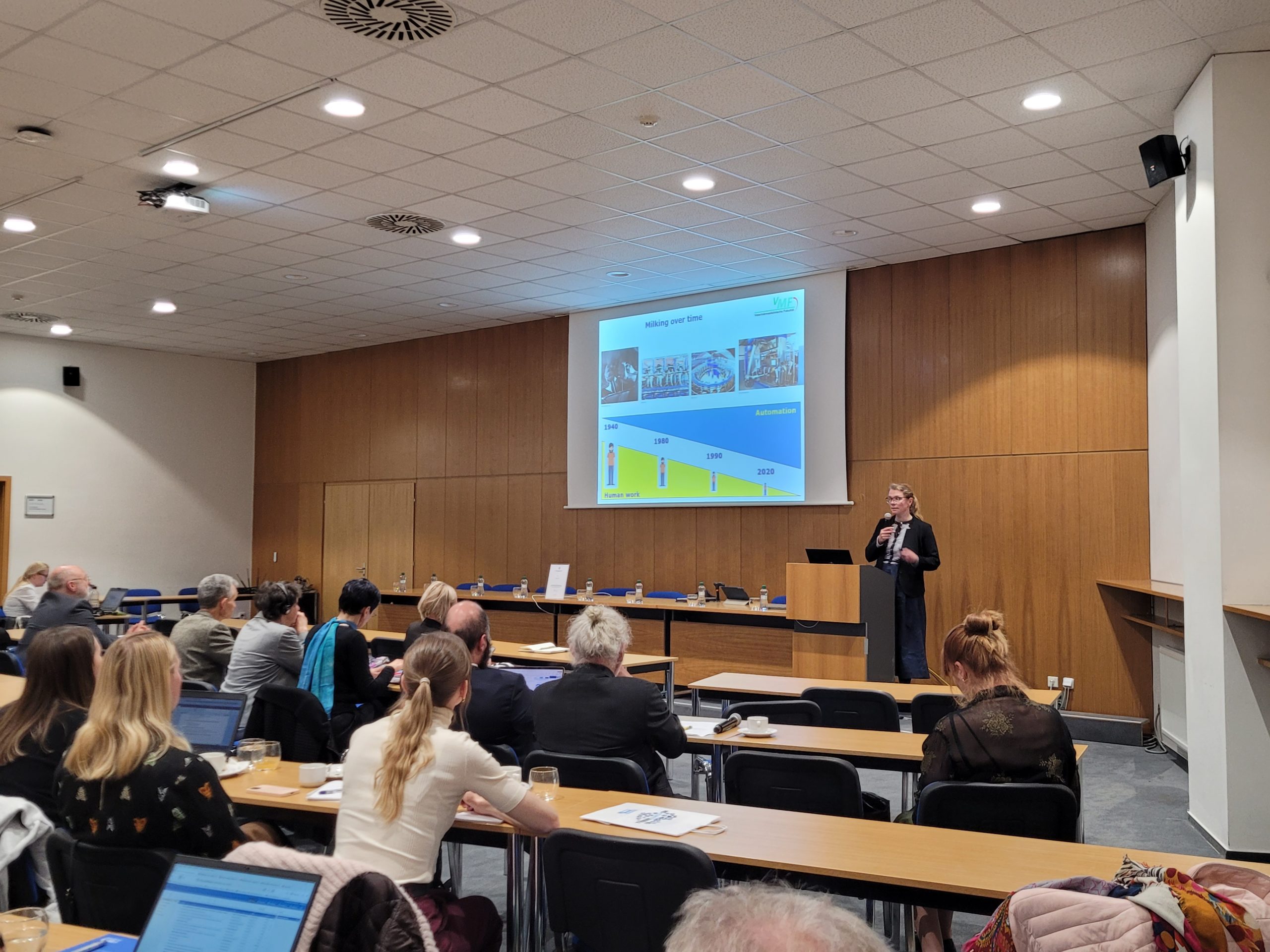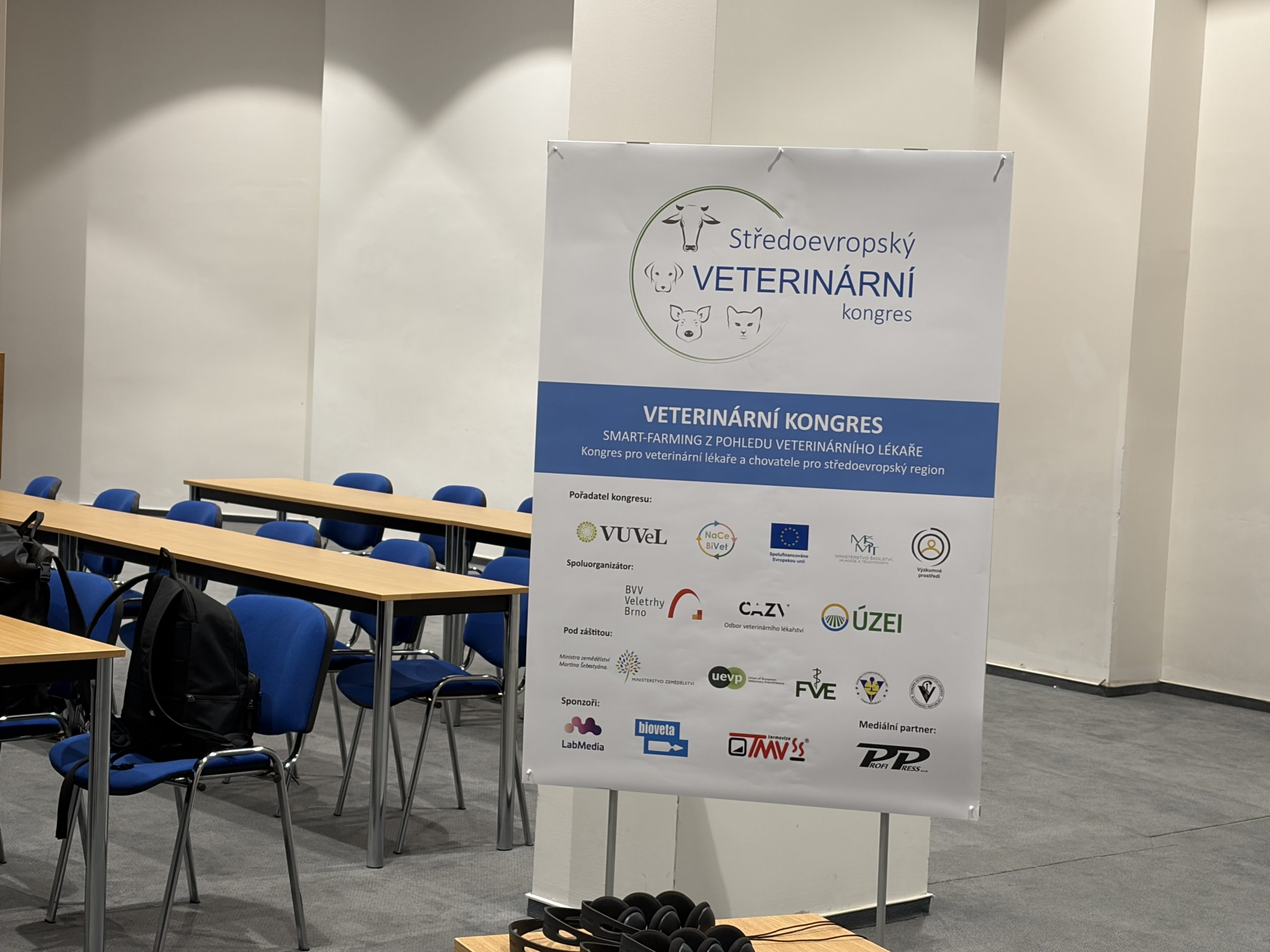
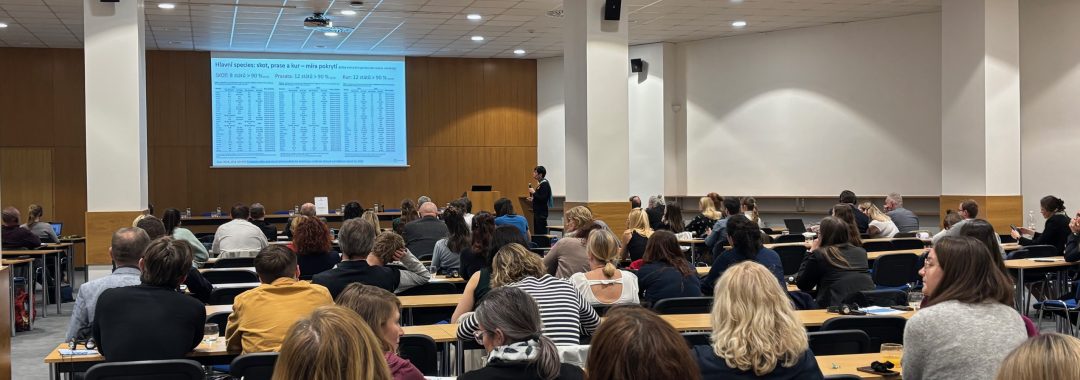
The Central European Veterinary Congress took place on 14 April 2026 at the Brno Exhibition Centre, attracting nearly one hundred experts, including veterinary practitioners and livestock producers. The primary aim of the event, subtitled “Smart Farming from the Perspective of the Veterinarian,” was to open an expert discussion on the role of veterinarians in current and future animal production. The event was held under the auspices of the Minister of Agriculture, Martin Šebestyán, the Chamber of Veterinary Surgeons of the Czech Republic, the Slovak Chamber of Veterinary Surgeons, the Federation of Veterinarians of Europe, and the Union of European Veterinary Practitioners.
In this context, Martin Faldyna, Director of the Institute, pointed out: “Owners are legally responsible for maintaining the health of animals under their care. Veterinarians, therefore, must play a crucial role not only in safeguarding animal health and welfare, but also in establishing livestock production standards. Only in this way can economically sustainable farming be achieved, combining efficient production with adequate animal care, prudent use of medicinal products, including antibiotics, and due regard for environmental impact.”
The congress, co-organised by the Czech Academy of Agricultural Sciences, the Institute of Agricultural Economics and Information, and Veletrhy Brno, provided a platform for sharing experience, presenting current findings, and exchanging views between experts from both practice and academia. Participants agreed that the role of veterinarians in modern animal production is significantly changing and expanding. In addition to standard animal health care, it now also includes advisory services in biosecurity, disease prevention, and optimisation of husbandry practices. Emphasis was also placed on cooperation between veterinarians and farmers as a key factor in ensuring high-quality and responsible production.
On behalf of the organisers, Jan Bernardy said: “The Central European Veterinary Congress has reaffirmed its importance as a platform for open dialogue and for seeking common solutions to current challenges in veterinary medicine and livestock production.”
The successful organisation of the congress was also supported by its sponsors – Bioveta, LabMedia, and TMV SS – whose contribution made the event possible. Important organisational support was also provided by two key projects: NaCeBiVet (National Centre for Biotechnology in Veterinary Medicine), funded by the Technology Agency of the Czech Republic, and the project “Development of a Sustainable Environment for Veterinary Research at VRI,” implemented under the OP JAK call of the Ministry of Education, Youth and Sports of CR. The organisers hereby express their gratitude to all partners for their support.